The science of materials is the basis of much recycling knowledge and helps scientists work out how to recycle stuff better. Many of the sorting machines used to separate out recycling rely on scientific principles; for example, some plastics are separated using floating and sinking machines.

Most plastic can be recycled everywhere in Devon. Plastic bottles, tubs and pots are recycled in kerbside collections (see our District Recycling Sheets). Hard plastics like toys and plastic outdoor chairs can be recycled at Household Waste Recycling Centres. Find your nearest one on our main Recycling website.

The worksheets on this page will help young people understand the science of the material called plastic. We hope doing these activities will create better scientists and more critical thinkers. We know the wicked problems (complex and difficult issues like climate change and biodiversity loss) we are leaving the next generation will need some innovative thinking to solve them!

Quizzes coming soon!
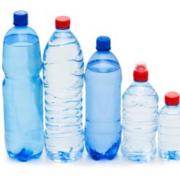
Several plastic bottles standing in a line

Downloadable Worksheets

Plastic Quizzes

42
Created on By Millie Green

Science of Materials Plastic Quiz KS1

Have you just completed our KS1 science activity worksheet about the properties of plastic? This is a quick quiz to test your knowledge!

1 / 8

What are most plastics made from?

2 / 8

Name some properties of plastic...

3 / 8

Name something that is usually made of plastic.

4 / 8

Name an object that you would never make out of plastic.

5 / 8

Are plastics a renewable or non-renewable resource?

6 / 8

Where should your hard plastic packaging go?

7 / 8

Choose the reasons why we should recycle.

8 / 8

How can you reduce the plastic you use at home? (Select all that apply)

Your score is

The average score is 67%

0%

14
Created on By Millie Green

Assessment Quiz: KS2 Plastic Worksheet

Have you just completed our KS2 science activity worksheet about plastic? This is a quick quiz to test your knowledge!

1 / 9

Are plastics a problem to wildlife when they end up in the sea?

2 / 9

Which of these sea creatures is a predator?

3 / 9

Which of these sea creatures is a primary consumer?

4 / 9

What is the item found most regularly on beach cleans?

5 / 9

Are plastics a renewable or non-renewable resource?

6 / 9

Name some properties of plastic...

7 / 9

Where should your hard plastic packaging go?

8 / 9

Choose the reasons why we should recycle.

9 / 9

How can you reduce the plastic you use at home? (Select all that apply)

Your score is

The average score is 50%

0%

20
Created on By Millie Green

KS3/4 Plastic Assessment Quiz: Floating and sinking

Test Your Knowledge on plastics and buoyancy.

1 / 10

Which of these materials is a polymer?

2 / 10

Name three properties of polymers.

3 / 10

What is density?

4 / 10

How do you calculate density?

5 / 10

Which of these objects would not float in water (density of 1g/cm3)?

6 / 10

True or False: Seawater is less dense than distilled water.

7 / 10

What happens to pressure in a liquid as its depth increases?

8 / 10

Complete the sentence: Plastics are a problem when discarded at sea because....

9 / 10

What is produced when plastics break down in the environment?

10 / 10

Which is the best option when buying a drink to takeaway from a coffee shop?

Your score is

The average score is 57%

0%

93
Created on By Millie Green

Plastic and Plastic Pollution Quiz

Science of Materials - Plastic

1 / 14

Name some properties of plastic...

2 / 14

How much plastic packaging is recycled in the UK?

3 / 14

How many types of plastic polymer are there?

4 / 14

What are most plastics made from?

5 / 14

When was synthetic plastic invented?

6 / 14

How can you reduce the plastic you use at home? (Select all that apply)

7 / 14

Which of these inventions actually exists as an alternative to plastic packaging?

8 / 14

What is produced when plastics break down in the environment?

9 / 14

Complete the sentence: Plastics are a problem when discarded at sea because....

10 / 14

Are plastics a renewable or non-renewable resource?

11 / 14

What is the item found most regularly on beach cleans?

12 / 14

Are plastics a problem to wildlife when they end up in the sea?

13 / 14

Where should your hard plastic packaging go?

14 / 14

Choose the reasons why we should recycle.

Your score is

The average score is 49%

0%