Why is Composting important?
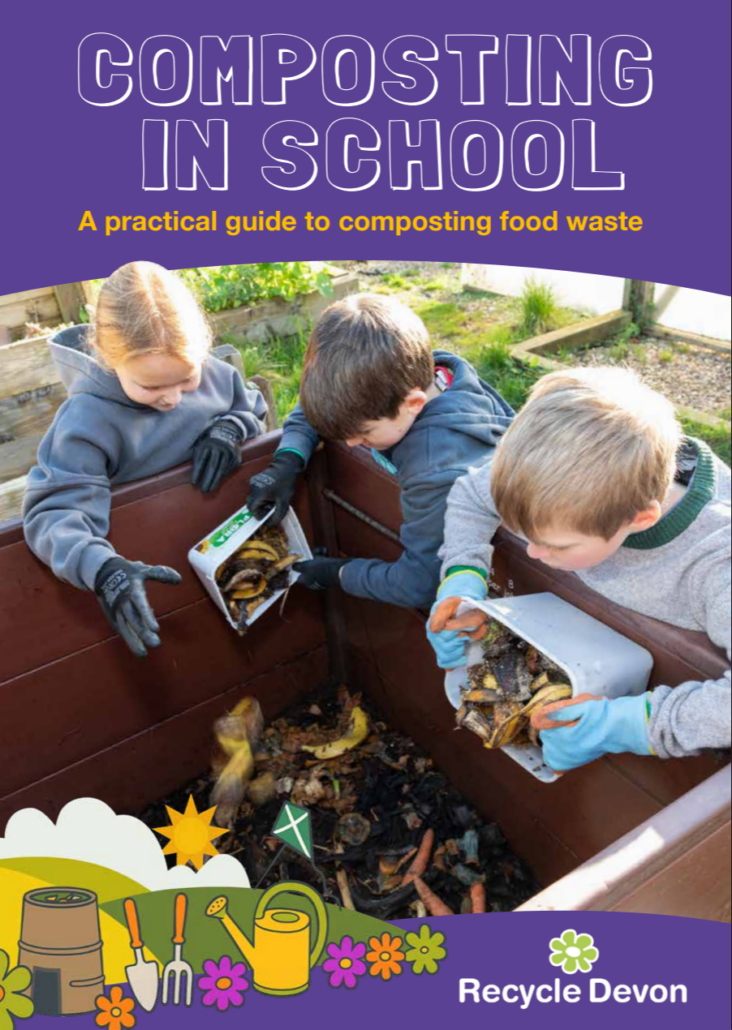
Food waste and garden waste can all be called organic waste, as it has been grown or cultivated, rather than being made or manufactured by us. Over a third of all the waste we produce in Devon comes from food (either vegetable or fruit peelings or leftovers) or our gardens (leaves, grass cuttings and other green waste). There are leftover nutrients in organic waste. Composting them saves the nutrients from going to waste and gives them a second chance for greatness!
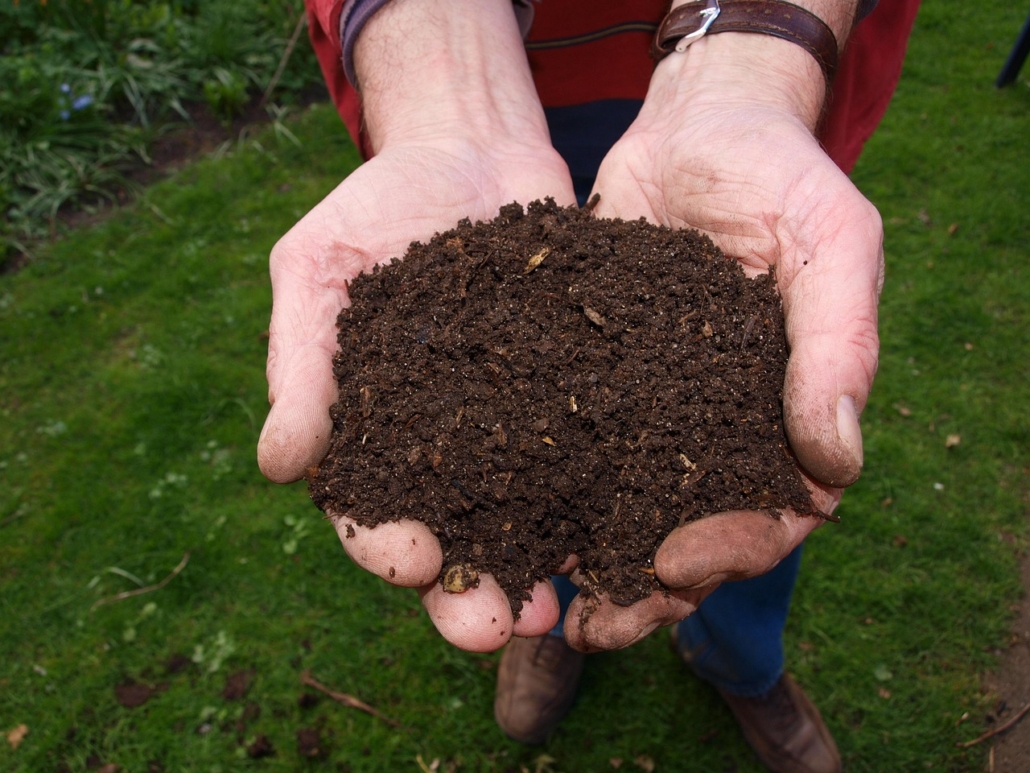
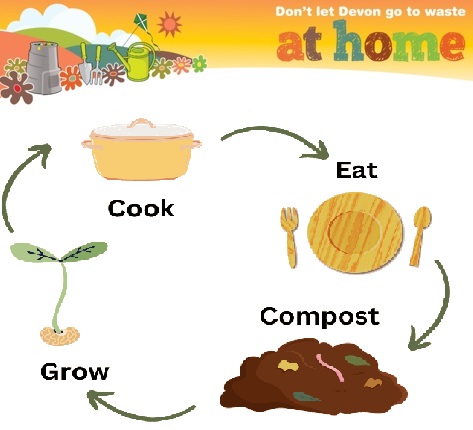
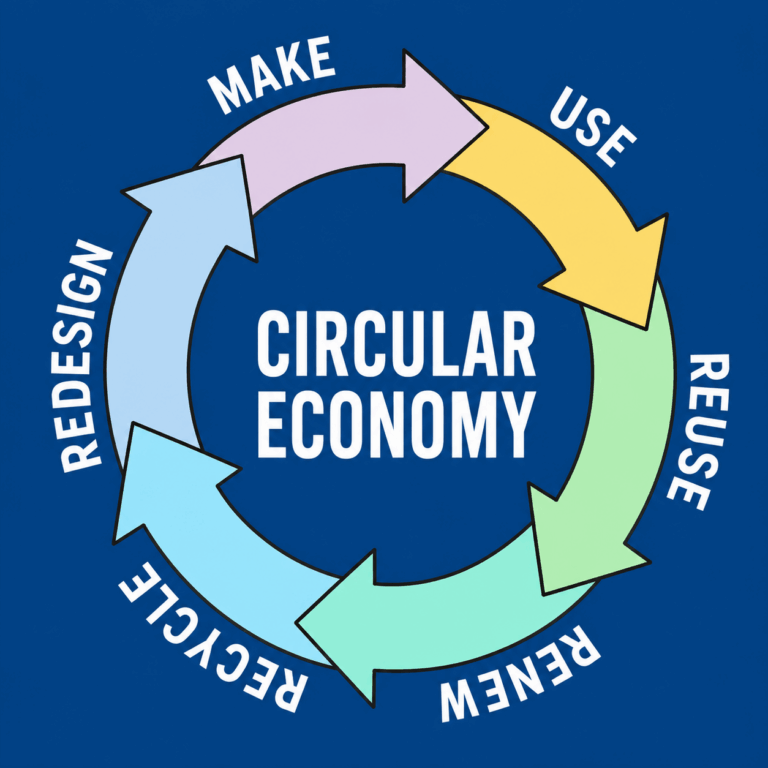
Composting is vital for the circle of life. If we want to grow healthy crops in the future to feed our hungry bellies, we need healthy soil that’s full of nutrients. Healthy soil also holds onto more water (which is great for thirsty plants!) and gives the soil more structure. This means the soil is less likely to be eroded, whether that’s being blown away by the wind or washed away by the rain (EVS.Institute, 2025). Unfortunately, our current intensive farming practices that grows most of UK’s crops cause our soil to lose its nutrients, structure, mini-beasts are more prone to erosion (WWF). Along with other factors such as deforestation and overgrazing, we’ve lost half of our Earth’s topsoil in the past 150 years (WWF). Composting has never been so important! Nutrient rich soil can then nurture all plants from seedlings, shoots, flowers, trees and even crops like potatoes to fill our bellies!