The science of materials is important as it tells us which are the best materials to use for different things, like not using chocolate for a teapot, or glass for a trampoline! It also tells us about how to dispose or recycle items safely and sustainably at the end of their lives.

Textiles is the name given to a range of polymer fibres woven into fabrics. All our clothes are textiles, as are blankets, towels and bedding. We use different types of fabric for different uses, such as waterproof fabric for coats and warm, insulating wool for cosy jumpers. Textiles can either be man-made polymers made from synthetic plastic fabrics such as polyester and nylon or from fibres grown naturally as animal fur (wool, cashmere) or plants (linen, cotton, jute).

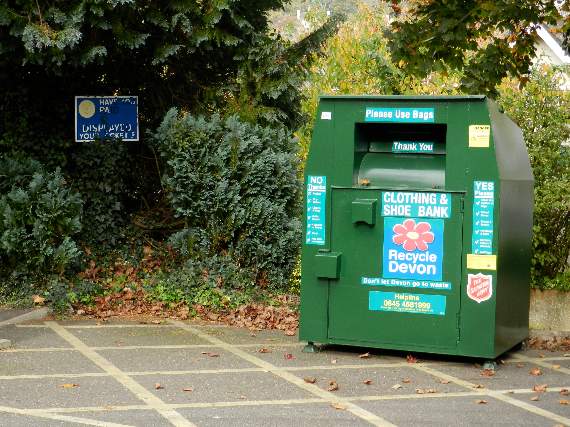
Clothes and shoes can be recycled everywhere in Devon. Most districts collect bags of clothes and shoes in kerbside collections (see our District Recycling Sheets) while larger bags of clothes can be taken to clothes banks and at recycling centres. Find your nearest one on our main Recycling website.
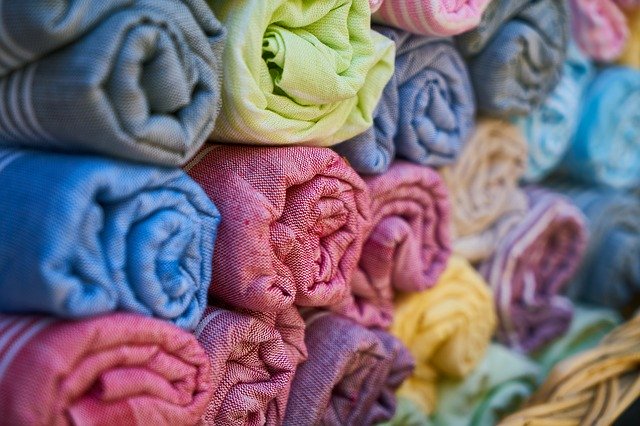
Bright colourful rolled up textiles
Green clothing bank

The worksheets on this page will help young people understand the science of textiles. We hope doing these activities will create better scientists and more critical thinkers. We know the wicked problems (complex and difficult issues like climate change and biodiversity loss) we are leaving the next generation will need some innovative thinking to solve them!

Downloadable Worksheets

Textiles Quizzes

7
Created on By Millie Green

Science of Materials - KS1 Textiles

An assessment quiz to accompany our KS1 lesson plan about textiles, where children conduct an experiment with different types of material to see which are better insulators.

1 / 5

What properties can textiles have? (Select all correct answers)

2 / 5

How old are the world's oldest trousers?

(Fact: They were made of linen and found in China.)

3 / 5

Which piece of clothing would keep you warmest?

4 / 5

Which piece of clothing would keep you driest?

5 / 5

Can clothes be recycled?

Your score is

The average score is 51%

0%

10
Created on By Millie Green

Science of Materials - KS2 Textiles

An assessment quiz to accompany our KS2 lesson plan about textiles, where students find out about microfibres and learn how to extract them from a fleece.

1 / 7

What are textiles?

2 / 7

What properties can textiles have? (Select all correct answers)

3 / 7

What is polyester fleece made from?


4 / 7

What are microplastics?

5 / 7

Where do microplastics and microfibres come from? (Select all correct answers)

6 / 7

How many microfibres does a polyester fleece produce?

7 / 7

What can you do to reduce microfibres and microplastics?

Your score is

The average score is 65%

0%

34
Created on By Millie Green

Science of Materials - KS3-4 Textiles

An assessment quiz to accompany our KS3-4 lesson plan about textiles, where students find out about how long different textiles can last.

1 / 8

What are textiles?

2 / 8

What properties can textiles have? (Select all correct answers)

3 / 8

How old are the world's oldest trousers?

(Fact: They were made of linen and found in China.)

4 / 8

What is polyester fleece made from?


5 / 8

When was polyester invented?

6 / 8

What are microplastics?

7 / 8

Where do microplastics and microfibres come from? (Select all correct answers)

8 / 8

What can you do to reduce clothes waste? (Select all correct answers)

Your score is

The average score is 41%

0%

49
Created on By Millie Green

Science of Materials - Textiles

Test your knowledge on all things textiles.

1 / 9

What are textiles?

2 / 9

What properties can textiles have? (Select all correct answers)

3 / 9

Can clothes be recycled?

4 / 9

True or false, textiles can be made of plastic.

5 / 9

What are most plastics made from?

6 / 9

How long does a plastic bottle take to biodegrade?

7 / 9

Which of these does not get made into fabric?

8 / 9

What can you do to reduce clothes waste? (Select all correct answers)

9 / 9

What can you do to reduce microfibres and microplastics?

Your score is

The average score is 59%

0%
