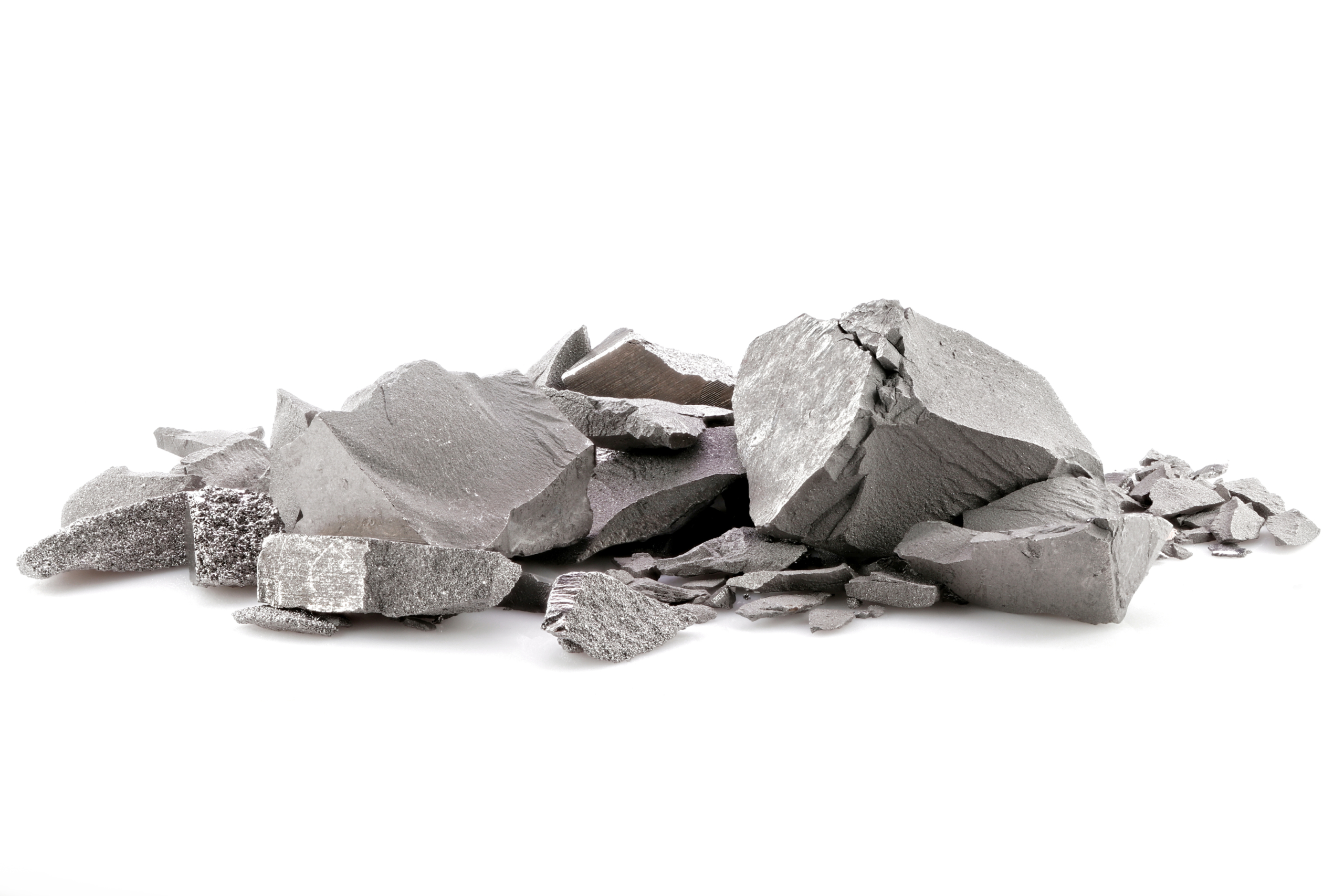
Tungsten (or wolfram as it used to be called) is a brittle dark grey metal with the chemical symbol W and atomic number 74. It is rare, found only in a few places on Earth. It usually occurs naturally as the minerals wolframite and scheelite.

It is strong and has a high melting point, with a density similar to gold. It is used to make tungsten carbide, which is used to coat metals in cutting tools. It is used in arc welding and is also used in electronics for all sorts of applications like incandescent light bulb filaments, cathode ray tubes and other high temperature uses.
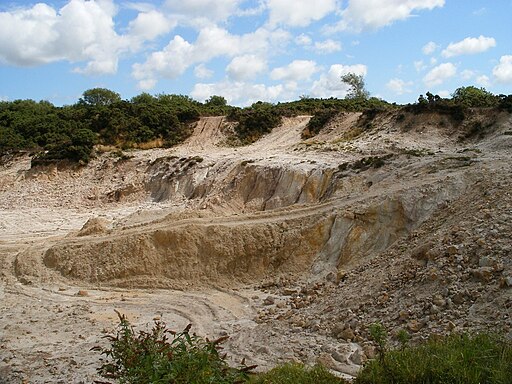
Tungsten mining in Devon

Drakelands Mine, or Hemerdon Ball Mine, is a tungsten and tin mine on the edge of Dartmoor near Sparkwell in South Devon. It is supposed to contain the fourth largest tin-tungsten deposit in the world.

It closed in 1944, reopened for a short time between 2014-2018 and reopened in 2022. The company operating the mine (Tungsten West) reckons there are 40 years of tungsten reserves in the mining area and say it is one of the largest reserves of tungsten in the world.

Resources and Reserves

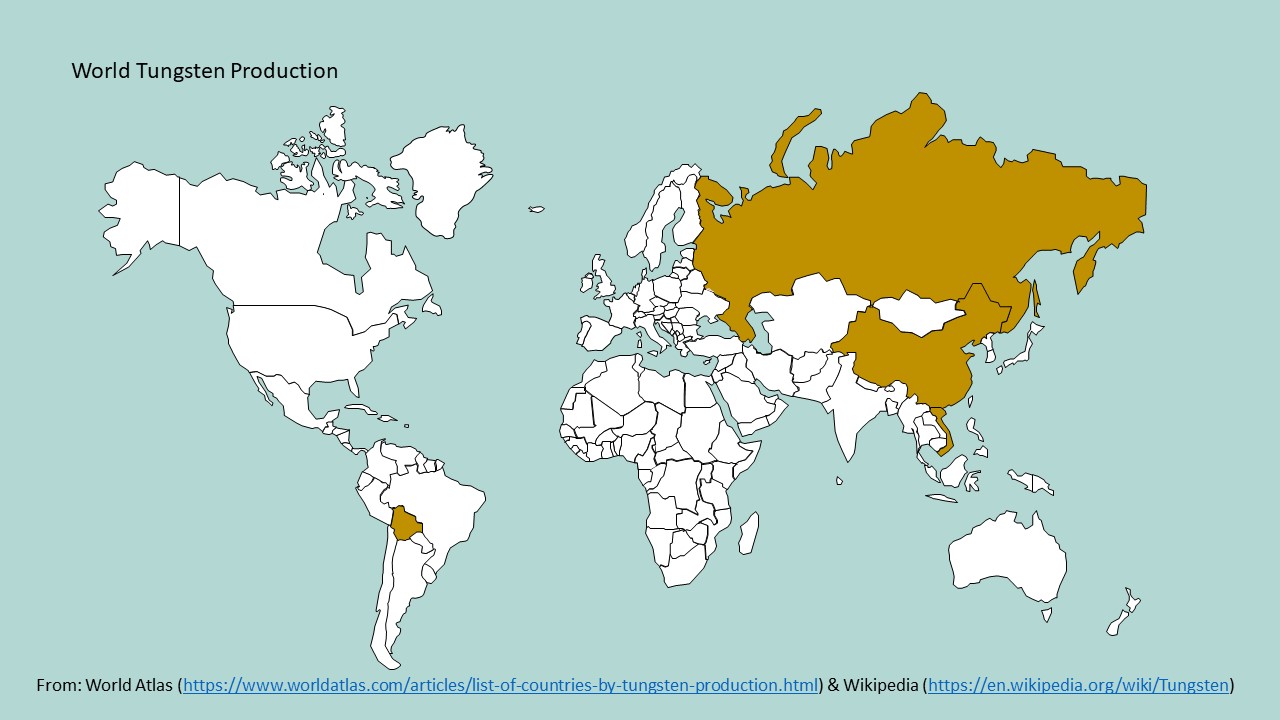
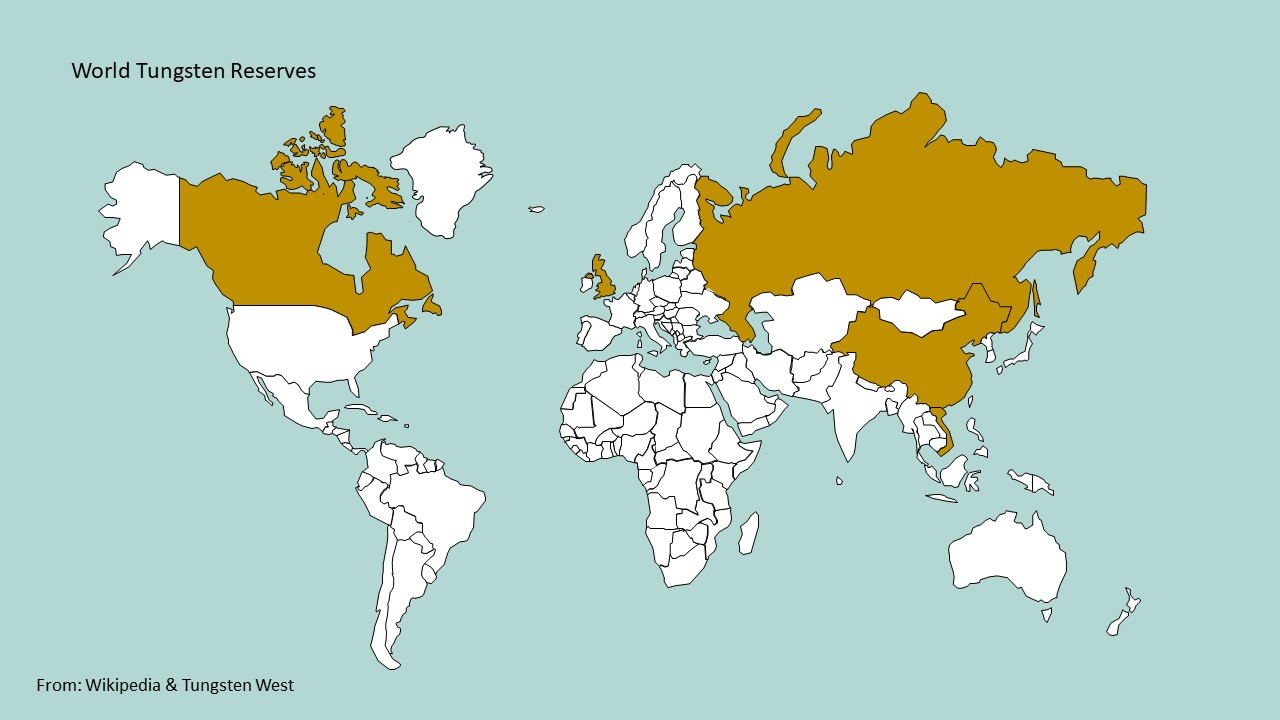
Find below a map of the countries where the main reserves of tungsten are across the world are located. Compare this map to where the main countries of production are located.

1
2
3
4
1

China produces most of the tungsten available in the world – producing 79,000 tonnes in 2017. It also is the world leader in export and consumption of tungsten products. Supply is strictly regulated by the Chinese government.

2

Russia produced 3100 tonnes of tungsten in 2017.

3

Vietnam has now overtaken Russia and produced 7200 tonnes in 2017.

4

Bolivia produces some tungsten every year.

1
2
3
4
5
1

China has reserves of 1.8 million tonnes.

2

UK – It is estimated that Drakelands Mine on the edge of Dartmoor could hold over 300,000 tonnes of Tungsten. The mine will probably reopen in 2024.

3

Canada has reserves of 290,000 tonnes of tungsten, but has no mines open at the moment.

4

Russia has reserves of 160,000 tonnes.

5

Vietnam has reserves of 95,000 tonnes.

Zone © 2026 Recycle Devon