Tin is a metal, used by humans for thousands of years. It is mixed with copper to make Bronze, an alloy used across the near East and Europe from 4000BC, and later in Ancient China, and which lends its name to The Bronze Age.

Nowadays tin is used mainly in solder, to join electronic components to circuit boards, and tin plating (eg. for cans and food containers), brass or bronze making and chemical applications.

Devon and Cornwall were known by the Ancient Greeks as the Tin Islands (Cassiterides) because of their ancient tin mining.
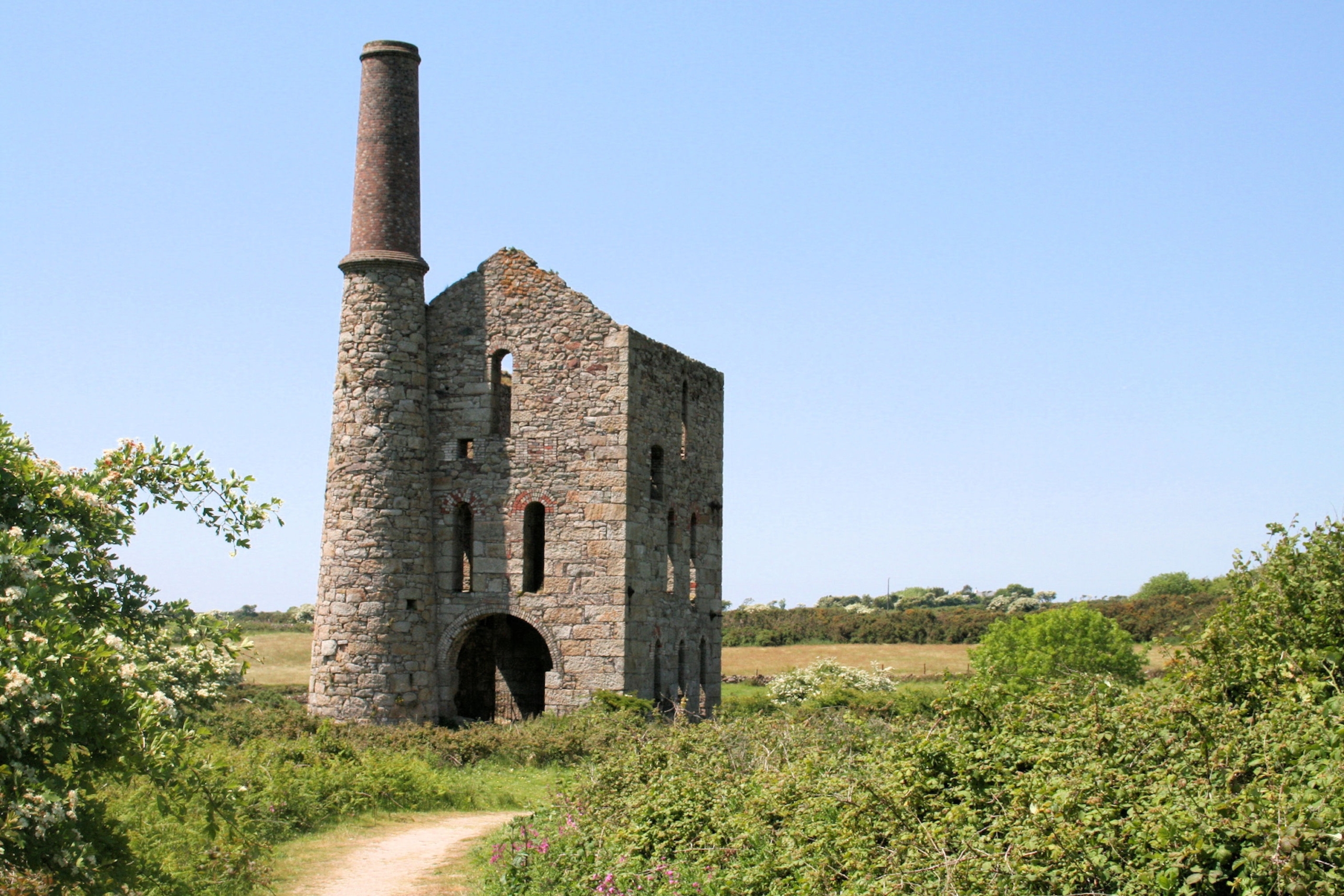
Tin mining in Devon

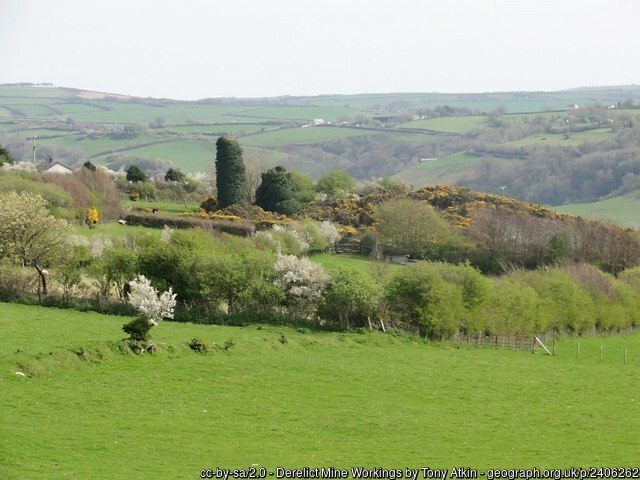
view of old lead/silver mine working near Combe Martin, including an ivy covered ruined chimney and wheelhouse, set in Devon countryside

Tin has been mined in Devon since the Bronze Age – about 5 thousand years ago and continued until the 20th century.

Remnants of tin mines can be seen in the west of the county and particularly around Tavistock and the Tamar Valley. Greeks and Romans traded with people of Devon and Cornwall for several thousand years before the Romans invaded England. Tin mining was probably one of the main reasons the Romans invaded. The Ancient Greeks even had a name for Devon and Cornwall that translates to “The Tin Islands” or the Casseritides.

During medieval times Devon and Cornwall were the main places where tin was mined and formed a very important part of the economy. Miners from Cornwall and Devon also took their trade to the New World.

The picture shows old mine workings covered with vegetation near Tavistock.

Facts about Tin

The last commercial tin mine on Dartmoor (Golden Dagger mine) closed in November 1930.

Recycling tin

Scrapheap of metal and other materials

Tin is often found alongside other metals in lots of different household items, including the lining of steel food cans and in solder in electronics. It can be recycled back into pure tin ingots or turned back into other alloys.It is infinitely recyclable.

Industries that use the metal can collect tin residues from scraps from industrial processes. They can be re-used efficiently in-house, or taken away and recovered by scrap metal processing companies.

About 30% of tin in production has been recovered from recycling.

At home we can recycle tin by putting tin cans in the recycling collections from our kerbsides, and by recycling electronic equipment at our local recycling centres. From here it will be sent to specialist metal recycling companies, where it can be melted and re-smelted.

Resources and Reserves

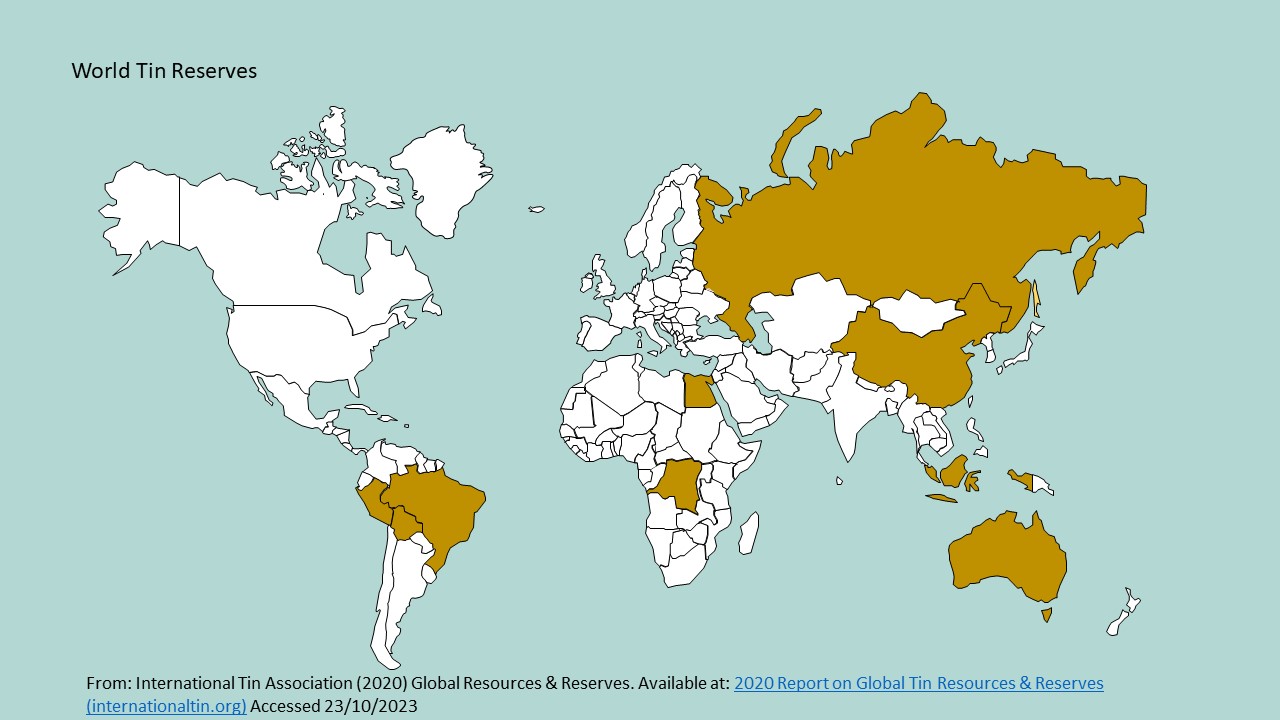
Find below a map of the countries where the main reserves of tin are located.

1
2
3
4
5
6
7
Zone © 2026 Recycle Devon