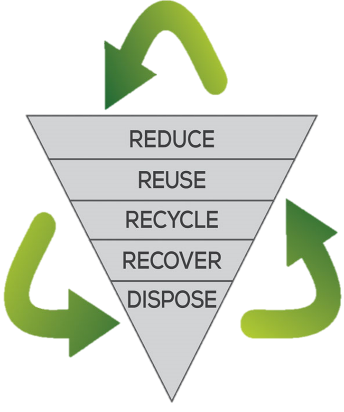
REUSE is the second of the 3Rs, after REDUCE and before RECYCLE. Before putting an object in a recycling container, teachers and pupils should get the habit of thinking “Can it be reused first?”

If your school has had some good reuse projects we would love to hear about them!

Email the waste education team for guidance or subscribe to the Devon Schools Sustainability Bulletin, with information on free resources, funding and training.

Take a look at our resources available to help your school reuse stuff for longer.

1. Reuse Paper at School

In most schools, the majority of the paper in classroom and office recycling containers has been used on only one side. The pie chart on the right shows typical results from an audit of recycling containers in a primary school. While it may not be realistic to expect 100% of the paper to be used on both sides, increasing the proportion that is ‘fully used’ will result in financial savings as the school needs to purchase less paper.

To ensure as much paper as possible is reused:

Set up ‘scrap’ or ‘rough’ paper drawers in classrooms and offices, making sure they are clearly labelled and easily accessible. Establish the expectation that adults and pupils will ask “Does it need to be new?” when they are about to use a piece of  paper. Often the answer is “no”- a piece of reused paper is perfectly       acceptable.

Ensure every photocopier and printer has a clearly labelled tray next to it to store paper suitable for  reuse. If busy staff accidentally copy too many worksheets, or pupils click on ‘print’ too soon, these sheets can be stored flat in the tray ready to use again.

Fill one tray of your photocopier / printer with  reused paper, or use a designated printer. If the reused paper is put in completely flat, it will work as well as brand new paper and will not jam the printer. Paper     collected from printing / photocopying mistakes, as      described above, is ideal for this use.

Print pupils’ worksheets on reused paper whenever possible; this provides a powerful message about the school’s approach to reuse. Put a footer on printed sheets saying ‘printed on reused paper’ to make explicit to pupils what has been done.
Girl putting paper in recycling bin

2. Reuse Storage Containers

Storage Containers

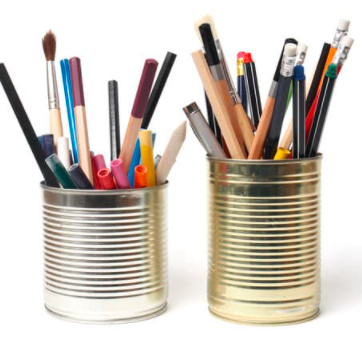
Make reused tubs and pots a feature of your school. They can be used for pencils, paintbrushes, visitors’ badges, fruit cores for composting, dinner money etc.

Or you could use old builders’ bags for large shrub planters in your grounds.

Don’t be shy about reusing – make a feature of it, labelling your pots to draw attention to your environmentally friendly practices.

Food can made into pencil holder

3. Zero Waste Lunches and Reusable Drinks Bottles

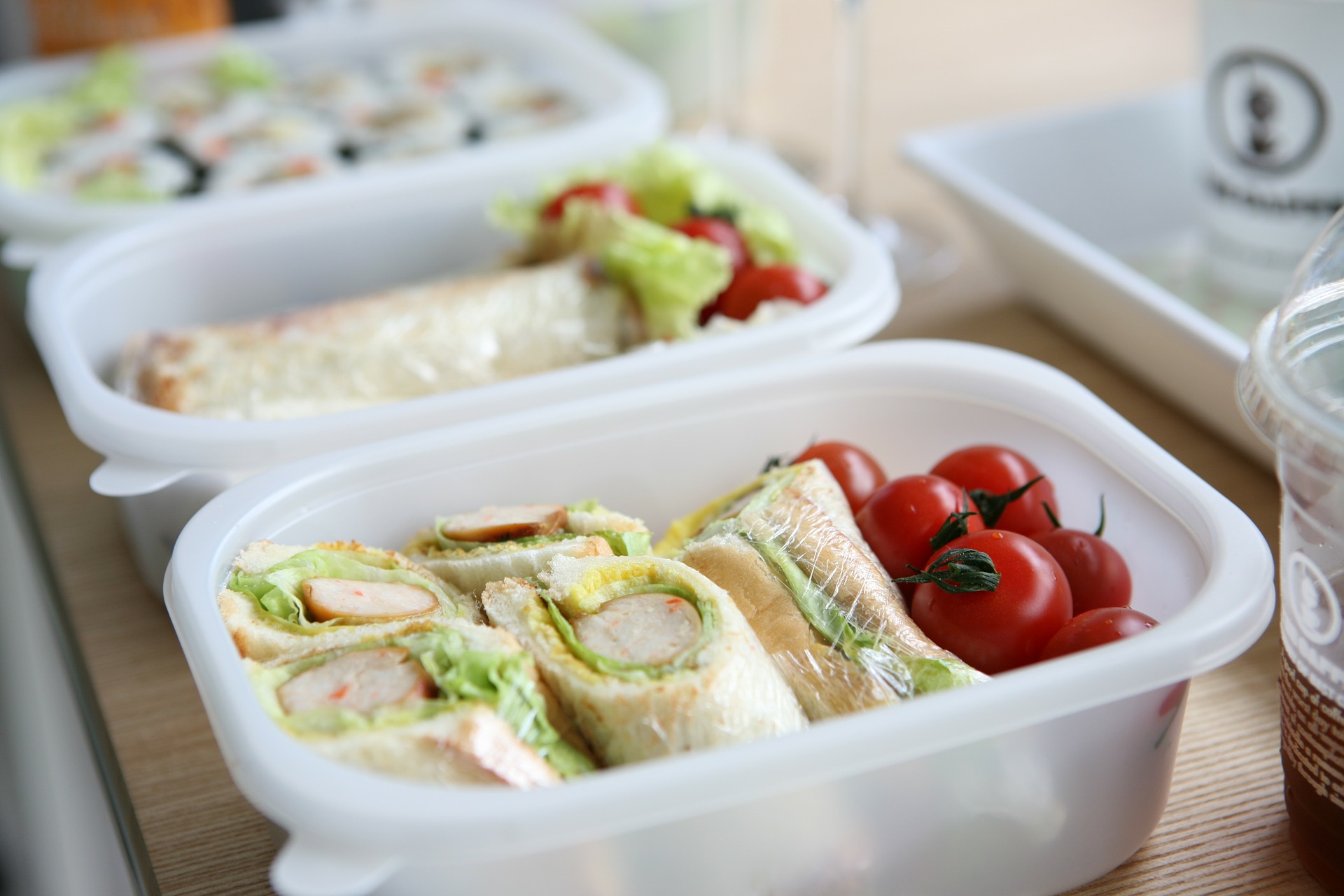
Food and drink containers

Expect pupils to use a drink bottle which can be refilled time and time again, add this to the uniform or equipment list for parents. You could even get bottles printed with your school logo and sell them to parents.

Encourage pupils to bring their packed lunches and snacks to school in reusable boxes, instead of using throw-away packaging such as sandwich bags and clingfilm.

See zone.recycledevon.org/zero-waste-lunches/ for resources to help you audit lunch waste and run a pupil-led campaign focusing on reusable containers. This work creates real life examples that can be used in maths and literacy, and is a great project for an  Eco Committee.

4. Start the School Year Right!

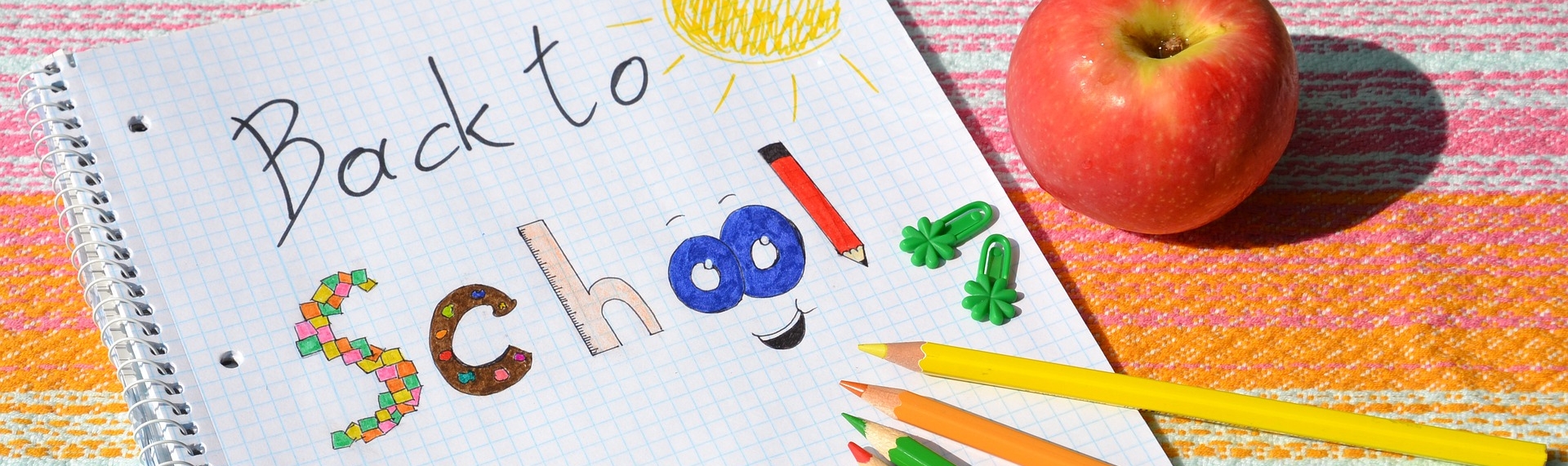
Starting the new school year

September is the perfect time to reinforce key messages about the school’s ethos,          including respect for the environment.

  • Discuss as a staff team what resources can be reused from the previous year. Do pupils need brand new pencils?
  • To save money and resources consider making it compulsory for children to finish an    exercise book before getting a new one. This can be done easily by continuing books into the next school year and any paper which can be reused to be placed in the scrap  paper draw (page 1).
  • Make a positive feature of reusing, explaining to pupils that it helps the environment and saves the school money.
Back to school banner from pixabay

5. Be Creative!

Think about how creative you could be in developing reuse projects for your school. When introducing these activities, make sure you are explicit to pupils that, by reusing objects that some would regard as ‘rubbish’, they are helping the  environment while making something beautiful and/or useful.

Art and design activities using reused materials can inspire pupils of all ages, whether making musical instruments with ’rubbish’ with KS1 children, or running a recycled fashion show with secondary school students.

You may have a local Scrapstore where the school can source free or cheap ‘waste’ materials (www.scrapstoresuk.org). Or put out a plea to parents and the local community, explaining that your school encourages both creativity and caring for the environment.

School gardens can be transformed with reused materials. Planters can be made from reused tyres or builders’ bags; raised beds and bug hotels from reused wood or pallets; and greenhouses from reused plastic bottles.

Wall plant pots made from reused plastic bottles

6. Share or give-away instead of filling a skip

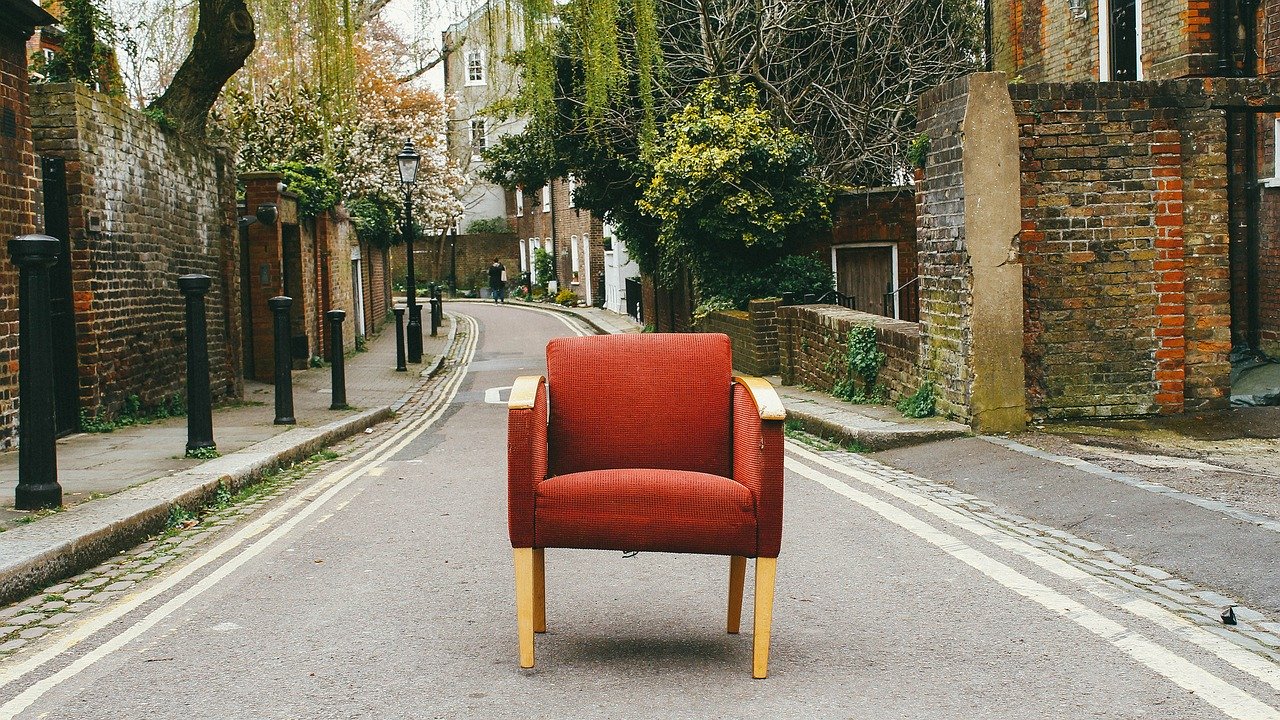
Have you ever found your school filling a skip with used furniture or  equipment that could be reused? Try putting the items out for parents and the local community, saving the skip hire cost and don’t let the equipment go to waste!

Chair left out in street

Zone © 2026 Recycle Devon