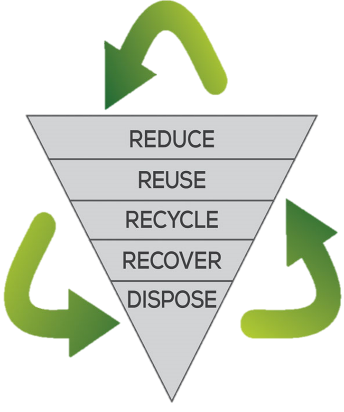
REDUCE is the first, and most important, of the 3Rs (Reduce, Reuse, Recycle). By buying and using less, we reduce our demands on the world’s resources,  generate less ‘rubbish’, and often save money as well.

Reducing waste in school will save your school money as well as being the best thing to do to reduce our impact on the world.

If your school has been reducing waste we would love to hear about it!

Email the waste education team for guidance or subscribe to the Devon Schools Sustainability Bulletin, with information on free resources, funding and training.

Take a look at our resources available to help your school reduce its waste.

1. Do a Waste Audit

People often ask what the best thing they can do to reduce waste at school. Our reply is usually:

“Do a Waste Audit”

A Waste Audit is a brilliant way of finding out how much rubbish your school creates and what type of things you, pupils and staff are throwing in the bin. This can then help you to organise better rubbish collections for your school, and work out what type of recycling bins will work best in your classrooms, playgrounds, school grounds and staff rooms.

Here are instructions that will help you carry out your own waste audit at school:

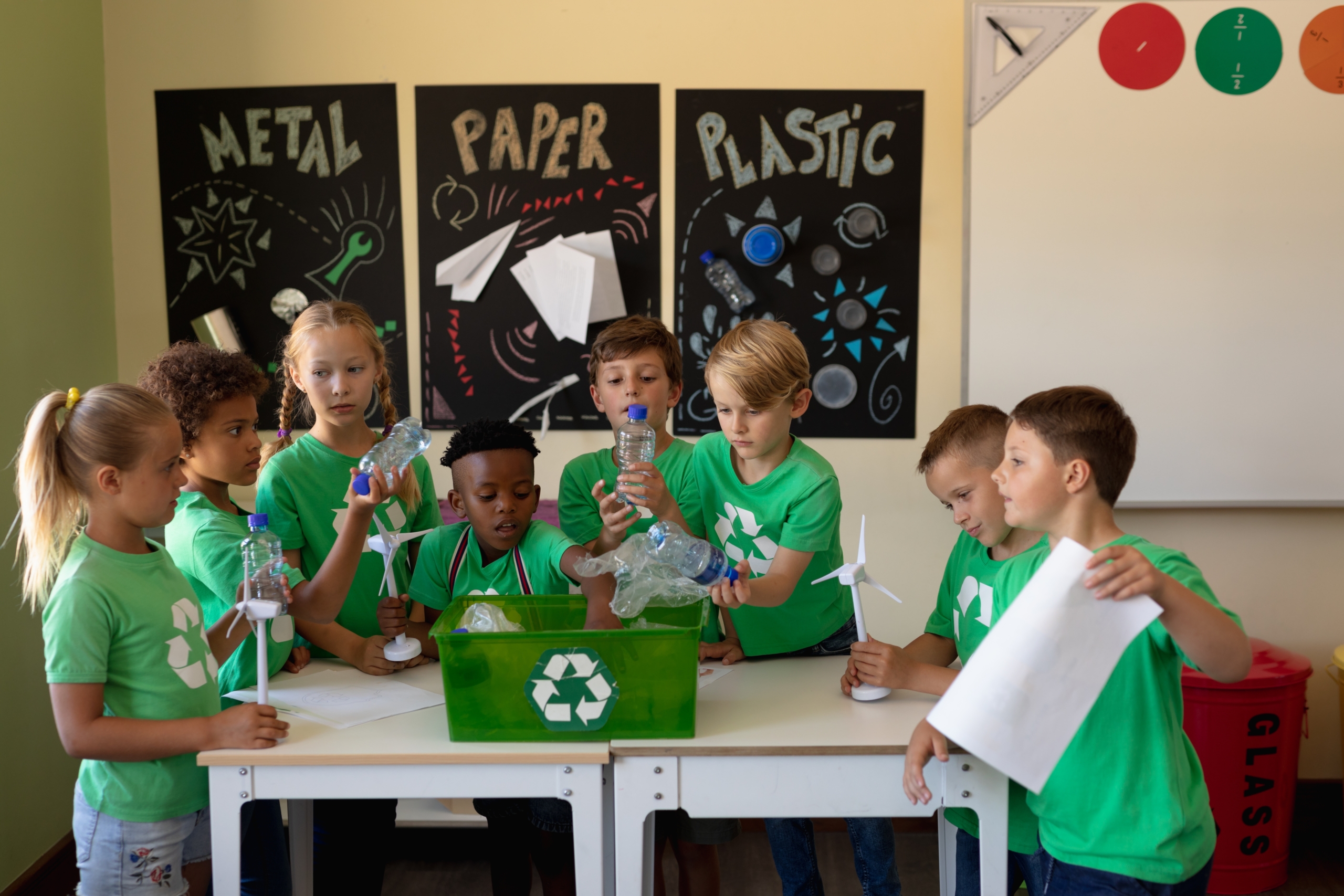
Children sorting recycling

2. Reduce Plastic Packaging

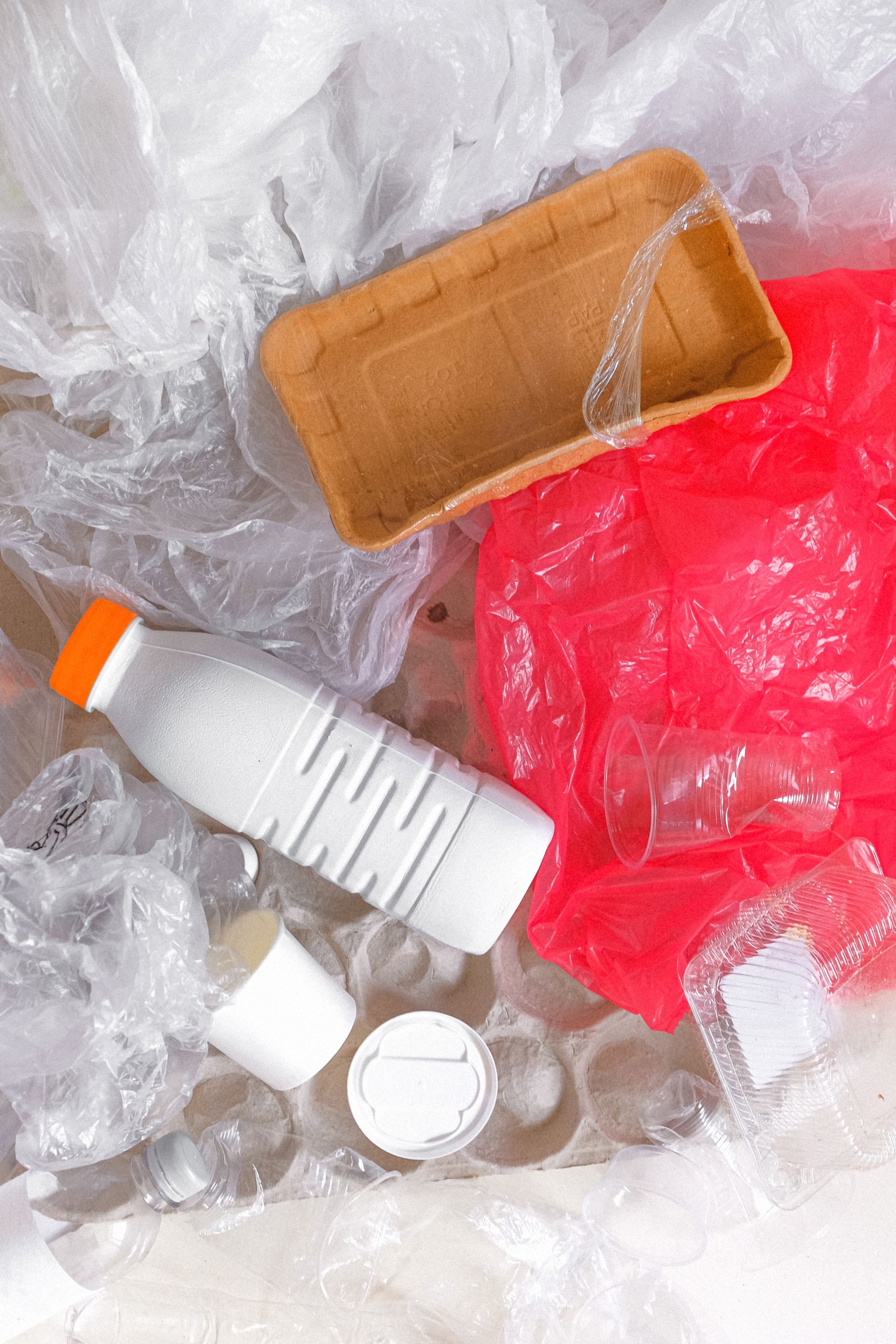
Packaging can be useful, but many items that we buy are wrapped in lots of plastic and other materials which end up in the bin. To reduce your school’s packaging waste you could:

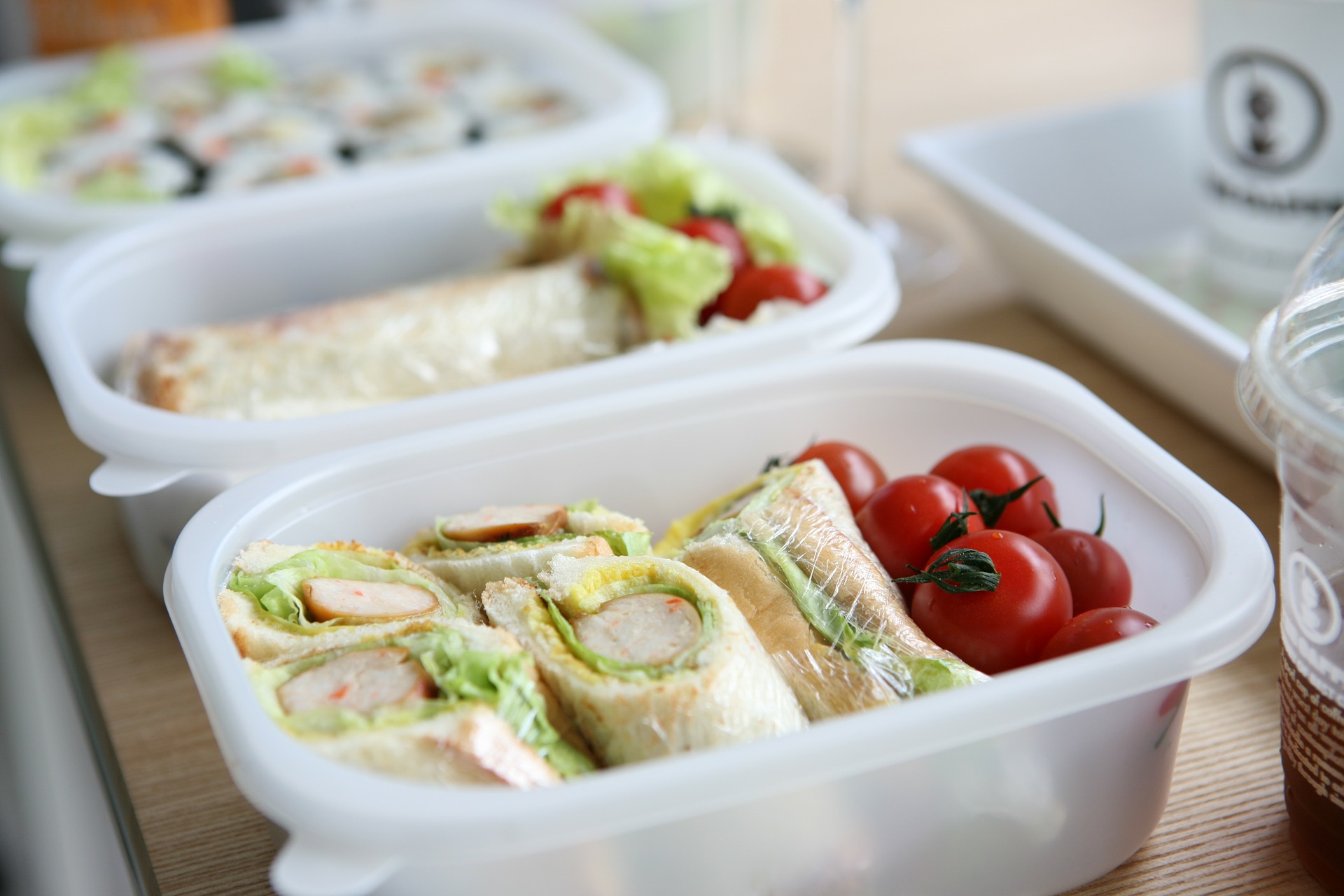
  • Encourage families to avoid single-use packaging in packed lunches. Emphasise the financial benefits of reusable boxes and bottles compared with throw-away sandwich bags, cling-film and packaging. You could even try making some of your own beeswax wraps!
  • By talking to the catering staff, reconsider the snacks you sell to pupils. Try choosing ones with the least packaging as possible. For example, swap small bags of dried fruit to larger packets divided into portions, or fresh fruit. Consider serving yogurt from a large pot into small washable bowls, instead of individual throw-away plastic pots?

Don’t forget breakfast, after school and holiday clubs. Encourage the staff running these sessions to consider the packaging of the food and drinks they serve and avoid disposable items.

3. Reduce Packed Lunch Waste

Conduct a packed lunch waste audit with a class or your Eco Committee. Try asking to use their persuasive writing skills to tell parents how they can help to reduce packaging waste. After plenty of whole-school publicity, repeat the audit to assess the success  of your campaign. The graph shows example data from a primary school audit in Devon.

Download audit instructions, and materials for a packed lunch waste reduction campaign: zone.recycledevon.org/waste-audit-activities/

Alternatively, ask our Waste Education Team to carry out the audit and an action planning session as part of the WoW project.

See how conducting a waste audit may help you achieve your Eco-School’s Green Flag on our website: zone.recycledevon.org/eco-schools

4. Reduce Paper use at School

Most schools spend thousands of pounds each year on paper. Even if you are confident that all your used paper gets recycled, significant financial savings can be made by reducing the amount of paper your school uses. As well as the cost of the paper itself, reducing the use of printers will also save money on energy, toner and ink cartridges.

How much do you spend?

Real examples of annual spend on printer and photocopy paper:

  • Primary school of 374 pupils = £4,200 per year
  • Secondary school of 1344 pupils = £5,670 per year

How much could you save?

Find out how much your school spends on paper and set a target to reduce it.

1) Offer electronic newsletters for parents instead of printed ones.

2) Use wipe-clean whiteboards whenever possible, instead of paper.

3) Use a siblings list when printed letters are essential, so that each family receives only one.

4) Create the expectation that adults and pupils will proof-read their work on-screen, and only print their final draft.

  • Younger pupils should check with a member of staff before clicking on ‘print.’
  • Ask pupils to design slogan signs to stick by computers such as ‘Think before you print’.

5) Consider which printers / photocopiers can be set to double-sided printing. Make sure that everybody knows when changes have been made, to avoid paper wastage if people print  double sided copies when they want  single sided!

6) Use a print management system, such as PaperCut MF, to give members of staff (and students in secondary schools) a  quota for printing. The system will quickly pay for itself as people adopt a more considered approach to printing.

  • Ensure you explain the quota during lessons, to engage pupils with the  issue of paper use and motivate them to suggest alternatives to their teachers.
Girl putting paper in recycling bin

5. Reduce Food Waste at School

Food Waste

Food waste can be a significant issue in schools. WRAP   data* suggests 46% of primary school’s waste is food; the figure for secondary schools is 31%. As well as the financial and environmental implications of throwing food in the bin, there are also health and educational impacts, since hungry pupils are less likely to concentrate during lessons.

*The nature and scale of waste produced by schools in England, Waste Resources Action Programme (WRAP) 2008

Lunchtime food waste

  1. First find out how much food waste your school produces from school meals and packed lunches. You could:

¨ Conduct a packed lunch waste audit (see page 2).

¨ Weigh the waste from pupils’ plate scrapings each day for a week.

¨ Ask staff to weigh any un-served food that is thrown away, ideally for a week.

  1. Then find out what the issues are that contribute to this food waste.

Conduct a pupil survey and consult with lunchtime supervisors to find out why pupils are throwing away food rather than eating it. For example, are they rushing their lunch in order to attend clubs or play with friends; do they dislike the noisy dining hall; are there some items on the menu that are less popular than others?

Once you know the issues, make a plan to reduce the food waste, working with meal-time assistants and catering staff, as appropriate.

The Food for Life Partnership has a range of resources to support schools in engaging pupils with healthy food, ways to improve the dining environment and to encourage pupils to eat more and waste less: www.foodforlife.org.uk.

Food without plastic packaging including tomatoes, apples, kiwi, basil, spaghetti and a jar of lentils with a chalkboard in the middle with zero waste written on it

6. Compost at school

 Composting

Composting is great for the environment and it can also save your school money. Traditional composting is popular in schools across the UK; Devon is leading the way with supporting schools to compost their cooked food waste as well as peels and cores.

Do you think a compost bin could work in your school?

View our composting pages and teaching resources on our website: zone.recycledevon.org/composting/

Girl with watering can pouring water on a compost heap

7. Buy Stuff That Lasts

Durable products

Ensure the resources you buy last as long as possible. For example, expecting pupils to put lids on felt tip and white board pens, saves the school money and reduce waste!

Disposable items, designed to be used once then thrown away, may be convenient, but they generate a lot of waste.

Avoid disposables by:

  • Investing in strong plastic plates and cups for parties and events. They can be used year after year, so you will recoup the initial cost.
  • Could you create PTA party packs to rent to other classes for a small fee?
  • Asking staff and pupils to bring a refillable water bottle instead of single-use cups.

8. Tackle Paper Towel Use

Paper towels

Not only are paper towels expensive and  one of the biggest causes of blocked drains, they are considered contaminated waste therefore have to end up in landfill  or burnt in our Energy from Waste plants.

  • Encourage pupils to use less paper towels, on average 3 are used per dry!
  • YouTube: How to use one paper towel | Joe Smith | TEDx
  • Switch to energy saving hand dryers. See table for price and CO2 comparisons.
(Per 1000 dries) Cost Carbon production
Paper towels £15 22.5 Kg/CO2
Hand dryer 39p 1.73 Kg/CO2

Zone © 2026 Recycle Devon