Reduce Food Waste

The Waste and Resources Action Programme (WRAP) estimates almost half (41%) of the 6.6 million tonnes of good food thrown away in our homes every year could be avoided if we used it up in time. 

Our hints and tips could help you, your school, parents and everyone else reduce their food waste.

Remember – the best thing to do with waste is to not create it in the first place!

food scraps

How to Reduce Food Waste

Make a note of the use by dates on the food you buy. Make sure you use food up before that date, by planning around these dates. 

You can freeze many things – meat and fish, milk, yogurt, some fruits and vegetables. This is especially useful if things are getting nearer their use by date. “Customers should freeze products right up to their use-by date instead of throwing them out,” says Susi Richards, head of product development at Sainsbury’s. (Quote from The Guardian – 4th March 2015). 

Planning meals ahead of your food shop and shopping with a list really helps as you don’t buy food that you don’t need. We’ve got a useful meal plan template on our Zero Waste Lunches page. 

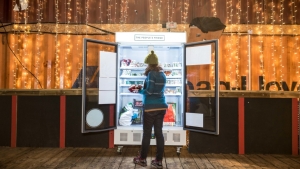
More and more communities in Devon and across the nation are setting up food waste redistribution points called Community Larders or Fridges. 

These places are run by volunteers and collect food about to be thrown out by supermarkets, restaurants or shops, bringing it back to a central point, where people can come and collect it. 

See the page on our Recycle Devon site to find out where your local Community Fridge or Larder is so you can take a look. 

Many of our Devon based Fridges and Larders are supported by our fantastic CAG Devon project, which provides Health and Safety information and insurance, as well as support and guidance about how to get started with a community project to save waste in your community. 

Gleaning enables food that is left in fields from horticulture and agriculture to be redistributed by community groups. There are a number of local groups, including Food in Community, based in Totnes, and the Devon and Cornwall Gleaning network, based in Plymouth. Other food charities like Exeter Food Action are starting to set up gleaning activities too. 

How to Reduce Food Waste at School

Child smiling and holding a forkful of spaghetti above a plate of spaghetti, salad and bread.

Reducing food waste at school is all about forward planning. Any good caterer will be able to reuse edible leftovers to create meals for the following day. This will also save money.

Find out how much food waste is being created through a Waste Audit of your school kitchen and canteen waste, then work out an Action Plan, planning along with the help of the caterer. You might also find that there is lots of food waste coming from packed lunches, as sometimes children are given too much food by their parents and end up throwing it away. Maybe you could start a parent information campaign to help reduce this waste.

Our Case Study pages show how other schools have tackled some waste issues. Perhaps your school could install Ridan food waste composters like Kingsley School in Bideford, or look at a whole school approach like Doddiscombsleigh.

Our Zero Waste Lunch pages could help your school reduce lunchtime waste

Zone © 2026 Recycle Devon