What are Metals?

Metals are shiny, solid materials that conduct heat and electricity.

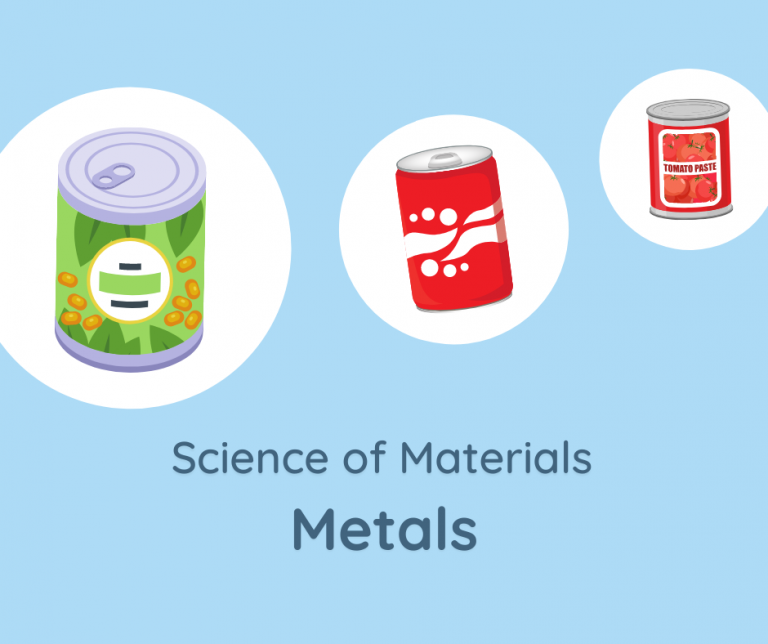
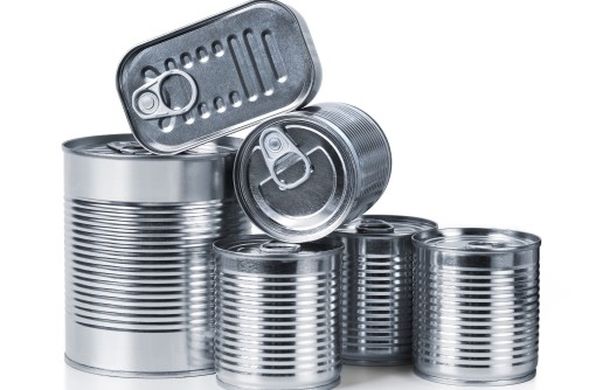
The main metals we use and throw away at home are found in food packaging.

Aluminium is used for drinks cans as it is light and easy to form into shapes.

Steel is used for food tins as it is cheap and durable (lasts a long time).
Discover Metals

Where metals come from and how they are made…

Facts about Metals

Aluminium can be recycled endlessly and saves 95% of the energy used to make something from new aluminium.

Timeline of the Discovery of Metals

  • 6000 BC

    Gold used for jewellery

    Gold nugget on rock

    Gold was the first metal to be used by humans. It melts easily at a low temperature and is found as pure gold stones or nuggets.

  • Copper forged into pots and weapons

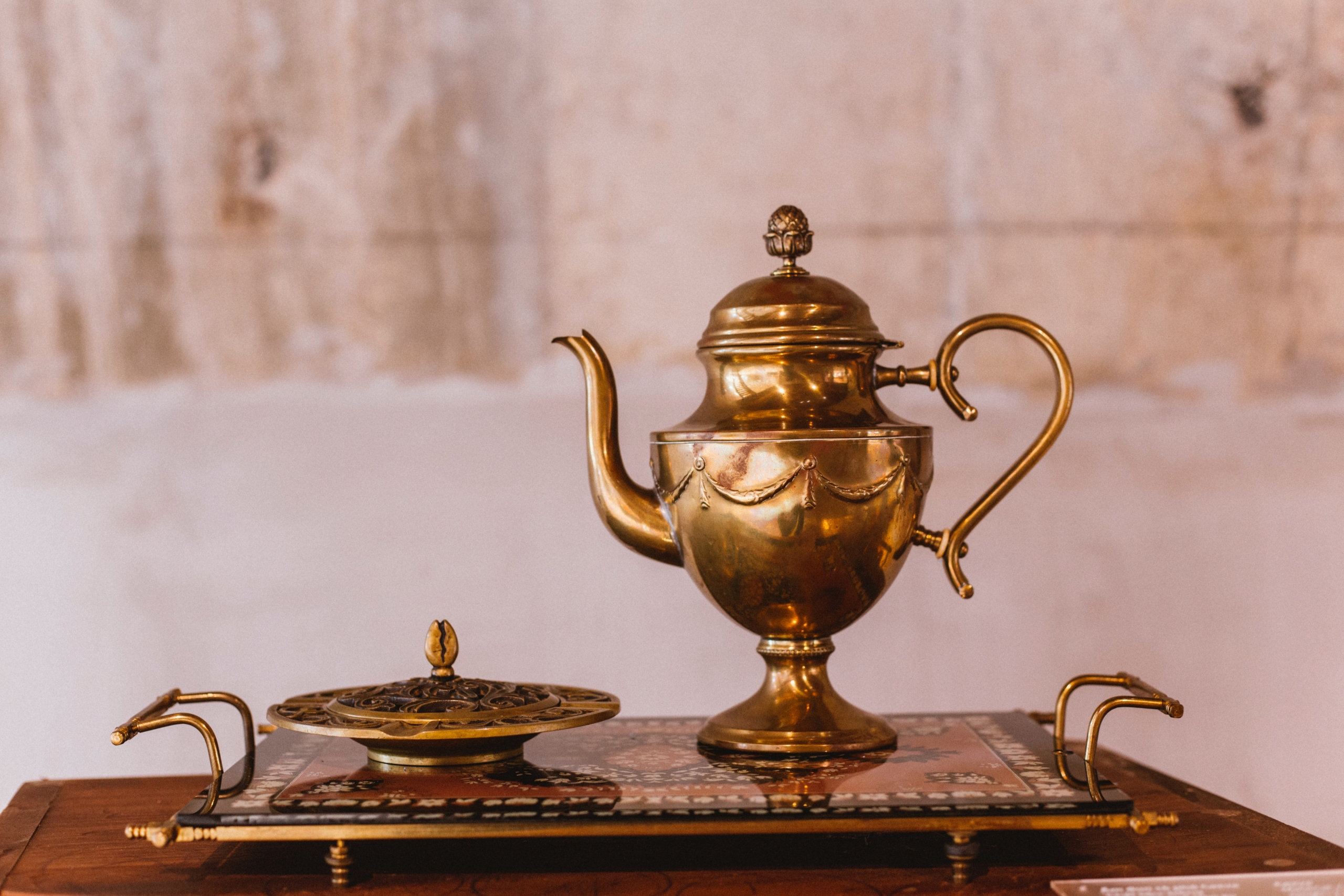
    Copper teapot and trayThe first tools, ornaments and weapons were forged from copper. This metal is also easily melted and forged at fairly low temperatures.
    4200 BC

  • 4000 BC

    Silver first used by humans

    Silver was used to make jewellery almost as long ago as gold.

  • Lead smelting started

    It is believed lead was first smelted 9000 years ago. The oldest artifact was found in Ancient Egypt and dated to 3800BC.
    3500 BC

  • 2300 BC

    Bronze Age

    Bronze is a hard metal mixture or alloy made of copper and tin. It is harder than other metals so made good weapons and hard edged items like ploughs and axes.

  • Tin exported from Cornwall and Devon

    Bronze Age people were mining tin in Devon and Cornwall as long ago as 2100BC, and maybe even for 1000 years before that. It was traded across Europe and ended up 4000 miles away, in the Eastern Mediterranean, where it was used for weapons and ploughs. Radiocarbon dating has confirmed early tin working in devon, from a bracelet found at Whitehorse Hill on Dartmoor.

    1750 BC

  • 1500 BC

    Iron Age

    Milestone Content goes here

  • Mercury

    Milestone Content goes here

    750 BC

  • 500BC

    Trophy Trophy

    Platinum first used in South America

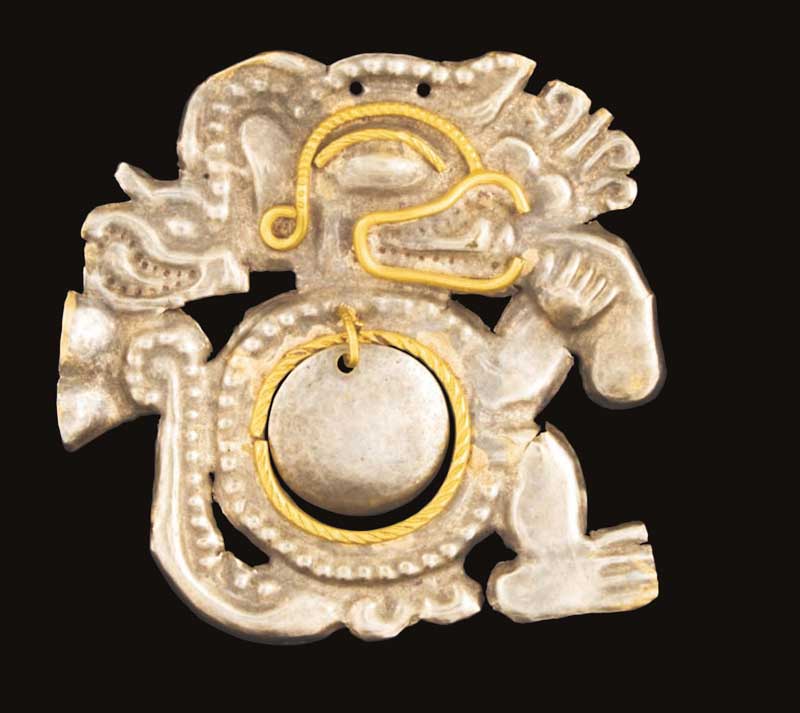
    The La Tolita-Tumaco culture discovered they could work with platinum by partnering it with gold in a process known as sintering. They produced hard alloys of gold and platinum in a range of colours.

  • Arsenic

    Milestone Content goes here

    1250

  • 1450

    Antimony

    Milestone Content goes here

  • Platinum discovered by Spanish invaders

    Despite being known and worked with in Ecuador and Colombia by the La Tolita-Tumaco culture since about 500BC, platinum was encountered by Spanish conquistadors in the Sixteenth Century and they were initially not impressed by it. It was too hard and did not melt easily.

    1557

  • 1735

    Cobalt

    Milestone Content goes here

  • Nickel

    The second most abundant metal on earth was only purified during the 18th Century. Nowadays we use it in many items like coins and batteries.

    1751

  • 1789

    Uranium isolated

    Although uranium oxide was used to colour glass and ceramics from the 1st Century AD it was only isolated as a metal in the 18th Century. It is now used almost exclusively for nuclear power and weapons.

  • Bayer process invented

    The Bayer process was developed by Karl Bayer in 1888 and became a cost effective way to extract aluminium from bauxite.

    Back-in-time Back-in-time

    1888

Zone © 2026 Recycle Devon