Industrial Revolution in Devon

Industrial Revolution and Waste in Devon

Industry in Devon revolutionised mining and milling.

The landscape of Devon and Cornwall was transformed by the coming of the Industrial Revolution.

DID YOU KNOW?

The first ever steam engines were invented by engineers from Devon! A couple of Devon engineers realised that tin mines had a problem with flooding in their deep shafts and old methods, like ropes and buckets pulled by horses, were slow and expensive. Discover more below.

The Savery Steam Engine

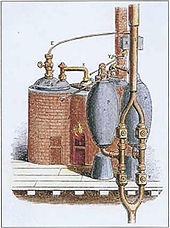
Thomas Savery (1650-1715) was from Modbury in Devon and was a military engineer, who tinkered with mechanics in his spare time. In 1698 he patented a machine that pumped water for mills and mines. It was a pistonless pump that had no moving parts but used the condensing of steam to create a vacuum to pump water up a pipe.

The Newcomen Steam Engine

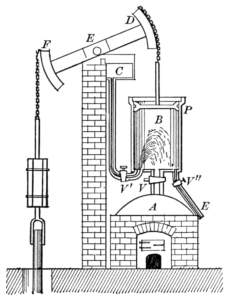
Thomas Newcomen was born in Dartmouth in 1663 and was an ironmonger. He invented a pump that was powered by steam and used a vacuum to pull down a piston in a cylinder – a design still utilised today in modern engines. James Watt later improved the design by adding a condensing cylinder and made it twice as efficient.

The steam engines of copper and tin mines in Devon and Cornwall helped mine two-thirds of the world’s supply of tin and copper in the 18th and 19th Centuries. Unbelievable!

Old illustration of the Savery engine

See also our pages on Mining and Resources in Devon.

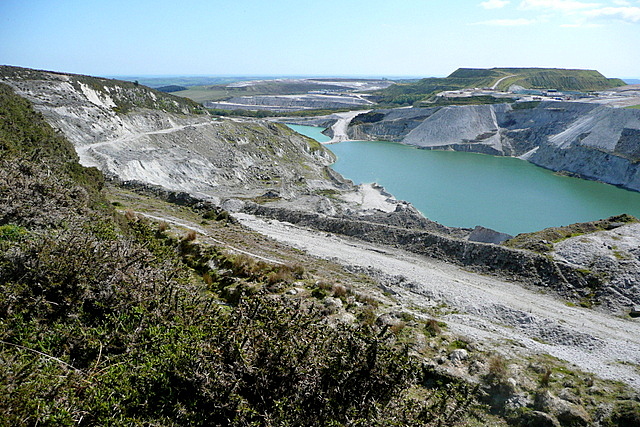
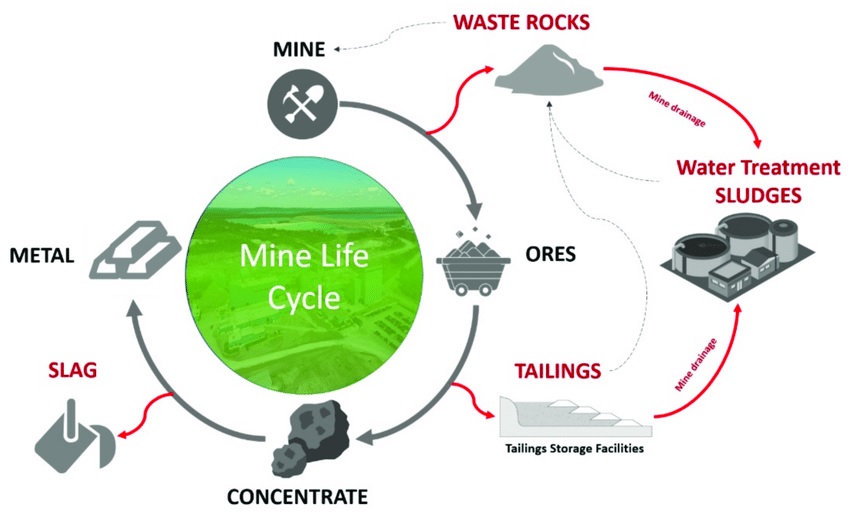
The slag heaps and clay pits of the area remain as permanent reminders of the waste left behind by the mining revolution. Many areas still have hidden mine shafts, so watch your step!

It’s likely that as resources become more precious and metal mines have to close these slag heaps may yield important reserves of vital elements.

Textile production at an industrial scale dominated the culture of the South West from medieval times to the 19th century.

Although we associate mills and the Industrial Revolution with the north of England there was also a very long history of cloth-making in the South West.

Blessed with a climate prefect for sheep and lots of winding rivers to power waterwheels Devon was perfectly situated to benefit from the British need for decent warm and waterproof clothing.

For several centuries, from the 15th Century onwards, the kersey industry was vital to the economy of Devon. It’s production made Devon one of England’s leading textile regions. It’s likely that boats collecting fabric from Devon docked in Exeter, probably bringing rags for the paper industry from Holland (see Paper Industry in Devon).

Coldharbour Mill in Uffculme is a fine example and is one of the oldest woollen mills in the UK. It has been in continuous production since 1797. It is open to the public and schools can arrange trips there.

Honiton Lace is famous worldwide and was used by Queen Victoria for her wedding dress. It is a cottage industry, meaning there were no factories to create it.

Axminster Carpets are found in stately homes the world over, and carpet many Royal Palaces. Originally started in 1755 by Thomas Whitty, the factory reopened in Axminster in 1937 and have been making quality carpets there ever since.

There have been several paper making mills around the county for the past 3-4 hundred years.

These include:

Trews Mill in Exeter

Stowford Paper Mill (Ivybridge)

Davon Valley or Hele Mill (Bradninch)

Silverton Mill

Upper Kings Mill (Cullompton)

Stoke Canon Paper mill

Devon County Council LogoThe Historic Environment team have collated some resources about Industrial & Modern Devon that could be used in a study of local history.

Devon Heritage has lots of fantastic information about industry in Devon, including the lace mills of East Devon, the mining of manganese at Doddiscombsleigh, the history of Axminster carpets and many other fascinating topics.

Zone © 2026 Recycle Devon